economy
Categories under economy
- No categories
Back on Track?
Written By: - Date published: 11:05 am, April 7th, 2024 - 69 comments

National campaigned on the promise of getting the country back on track. How is it going?
Why Labour must change course
Written By: - Date published: 8:31 am, December 19th, 2023 - 49 comments

“A Left government with any claim to progressive credentials will focus on three policy areas – first, high-quality, high value production; second, taxation measures to reduce significantly wealth differences; third, strengthened democracy, including industrial democracy beyond collective bargaining. These three are indispensable. A Left politics, which does not build on these three, will founder.”
Highlights quoted out of the National-New Zealand First coalition agreement
Written By: - Date published: 9:36 am, November 25th, 2023 - 73 comments

Some of the more unusual policies from the National-New Zealand First coalition agreement.
Green growth or degrowth?
Written By: - Date published: 11:07 am, November 22nd, 2023 - 21 comments

There is growing scepticism among climate policy researchers about green growth, as concepts of degrowth go mainstream.
Tax or quality public services – which is more important to NZ voters?
Written By: - Date published: 10:31 pm, September 27th, 2023 - 16 comments

Earlier this year Andrew Marr wrote in the New Statesmen, that Britain’s problem was that it wanted Scandinavian levels of Public Services and North American levels of taxation. His view was that Britain was overdue for an honest debate about tax and public spending. In New Zealand, there is a similar challenge.
National really, really needs New Zealand to be in a recession
Written By: - Date published: 7:59 am, September 24th, 2023 - 22 comments

After Stats NZ shot down National’s claim that the country is in recession National pirouetted by claiming that New Zealand WILL be in recession in the near future and that the Reserve Bank has predicted this. But according to the Reserve Bank this may not be true …
NZ Election: National’s tax policy
Written By: - Date published: 9:07 am, September 21st, 2023 - 7 comments
A year ago this month, the Liz Truss/Kwasi Kwarteng mini-budget destroyed once and for all the myth that the Tories are better at managing the economy. The New Zealand National Party could not even wait until they were in government to prove the same applies to them.
Understanding the New Zealand General Election 2023: Historical trends and perspectives.
Written By: - Date published: 6:01 am, September 20th, 2023 - 15 comments

From the outside, the New Zealand 2023 General Election seems both lacklustre and slightly strange. The Labour Government, having won a huge majority in 2020 is now fighting for its political life. Yet National, the main centre-right opposition party is still on average polling significantly worse now than they were when it lost power in 2017.
Critics of ‘degrowth’ economics say it’s unworkable – but from an ecologist’s perspective, it’s inevitable
Written By: - Date published: 8:00 am, August 20th, 2023 - 22 comments

Dr Mike Joy on the ecological imperative of degrowth
Climate extremes make NZ’s supply chains highly vulnerable – it’s time to rethink how we grow and ship food
Written By: - Date published: 9:59 am, August 5th, 2023 - 32 comments

“It’s clear domestic food supply chains have been increasingly challenged by natural disasters and the ongoing impact of climate change.”
Our Great De-Leveraging
Written By: - Date published: 5:05 pm, June 4th, 2023 - 13 comments

Debt is the most destructive and addictive form of economic behaviour we have in New Zealand. And mortgages are New Zealand’s very high grade heroin and we are being forced to come down off a most spectacular high into a rage-inducing forced withdrawal.
How come government doesn’t improve our economy?
Written By: - Date published: 8:24 am, May 21st, 2023 - 41 comments

When we continue to spend our money on stupid stuff, we get a dumb country.
Chloe Swarbrick: We don’t live in a game of Monopoly
Written By: - Date published: 10:04 am, March 10th, 2023 - 49 comments

The case for redistribution of wealth in New Zealand.
Towards National Recovery
Written By: - Date published: 7:00 am, February 20th, 2023 - 42 comments

Just over seven months from the election the Labour government has been granted as great a political momentum as that leading into the 2020 election.
The end of the post war boom
Written By: - Date published: 7:56 am, January 11th, 2023 - 87 comments
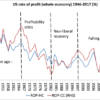
Throughout my time being active in politics, people have discussed the rise of Neo-Liberalism and the free market that occurred throughout much of the world from the late 1970s onwards. Yet few seem to really understand the reasons for this significant shift in economic policy at that time, which continues to shape our society today.
Richard Heinberg: The Final Doubling
Written By: - Date published: 7:37 am, December 16th, 2022 - 80 comments
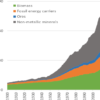
Can humans decouple resource overuse from economic growth?
Labour’s big reset
Written By: - Date published: 7:46 am, December 13th, 2022 - 77 comments

New Zealand politics is at an interesting stage. With announcements about Ministerial futures pending and with a review of all current projects to occur over Christmas Jadinda Ardern is planning to repurpose Labour to have its best chance in the election next year.
Diplomatic Values
Written By: - Date published: 5:39 pm, November 21st, 2022 - 4 comments

Trudeau got a 10-minute stand-up with Xi followed by a public shirt-fronting, Albanese a 32-minute sit-down, and Jacinda Ardern a 50-minute formal bilateral. In the carefully calibrated world of the diplomatic dance-card, that says something. New Zealand would be foolish not to take advantage of what is on offer from China.
Can We Prepare for 2023?
Written By: - Date published: 7:48 am, November 20th, 2022 - 69 comments

2023 is going to hit New Zealanders hard. Since the 2011 Christchurch earthquakes New Zealand has been beset by a new major crisis about once every two years. 2022 was our year off and get ready we are in for a strange and hard recession.
Why Is Labour Such a Hard Sell Now?
Written By: - Date published: 7:40 am, November 10th, 2022 - 140 comments
So why is Labour and Ardern struggling when the economy is so strong?
Democracy is on the Ballot – watershed US midterms this week.
Written By: - Date published: 1:46 am, November 7th, 2022 - 3 comments

At a campaign event last week President Biden said that in these mid-term elections “democracy is on the ballot”. This is absolutely true, and the outcome will be decided by those who show up to vote.
How Brexit Shanked Britain
Written By: - Date published: 8:05 am, October 17th, 2022 - 23 comments

The political and economic disasters now unfolding in Britain are the responsibility of the Conservative Party from their 2016 Brexit vote through to now.
Minister Robertson, UK Pensions, and Risk
Written By: - Date published: 9:44 am, October 15th, 2022 - 19 comments

The political question is whether Kiwis currently losing money on paper can remember this: all investment involves risk and it’s entirely fair for our government to only manage so much of that risk and for the rest to fall on us the investor. Will irrational anxiety beat rational risk in our upcoming politics?
Even more anarchy in the UK
Written By: - Date published: 9:19 am, October 15th, 2022 - 20 comments

I never thought that I would write a post suggesting that Boris Johnson’s reign as UK Prime Minister was not so bad. But that is the state that we have reached as Liz Truss sacks Kwasi Kwarteng for implementing her policies. And polling suggests that if an election was held tomorrow the Tories could win as few as four seats.
If Truss was the answer it is difficult to work out what the question was
Written By: - Date published: 9:34 am, September 30th, 2022 - 52 comments
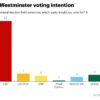
Liz Truss has been UK Prime Minister for just over three weeks. Instead of enjoying a honeymoon in a short term she has crashed the UK economy and political support for her party and her days must be numbered.
Why Is New Zealand So Strong?
Written By: - Date published: 7:00 am, May 25th, 2022 - 36 comments

As New Zealand signs up to another alliance to shore up our economic security in the face of fast retreats in economic globalisation, it’s worth taking stock of why New Zealand’s economy is so strong.
The politics of high inflation – can governments do anything?
Written By: - Date published: 10:46 am, May 19th, 2022 - 13 comments

It is clear that we will continue to face these economic challenges with tools that are ill-equipped to face the problems. Only a truly international response can create an economy that delivers for all.
Budget Day: there are real alternatives
Written By: - Date published: 9:34 am, May 19th, 2022 - 9 comments

Budget Day, where our centre left neoliberal government straddles the line between compassion and BAU. Given the pressures of climate, the pandemic and global instability, what are the real alternatives?
Can This Government Be Saved?
Written By: - Date published: 5:43 pm, March 25th, 2022 - 118 comments

Can Labour win a third term? Here are some pathways up, and some pathways down.
The empire strikes back
Written By: - Date published: 8:53 am, March 15th, 2022 - 146 comments

Labour’s announcement of a temporary reduction in fuel excise duties and a halving of public transport fares ups the ante on the debate on how to alleviate hardship caused by overseas induced inflation.
Prime Minister Ardern on Climate Change and the economy
Written By: - Date published: 12:27 pm, February 9th, 2022 - 33 comments

The full text is worth perusing across multiple areas, but Prime Minister Ardern’s speech in Parliament yesterday gave useful hints about how the economy and climate change are being integrated into a single economic strategy.
- Determining the Engine Type in Your Car
 Identifying the engine type in your car is crucial for various reasons, including maintenance, repairs, and performance upgrades. Knowing the specific engine model allows you to access detailed technical information, locate compatible parts, and make informed decisions about modifications. This comprehensive guide will provide you with a step-by-step approach to ...34 mins ago
 - How to Become a Race Car Driver: A Comprehensive GuideIntroduction: The allure of racing is undeniable. The thrill of speed, the roar of engines, and the exhilaration of competition all contribute to the allure of this adrenaline-driven sport. For those who yearn to experience the pinnacle of racing, becoming a race car driver is the ultimate dream. However, the ...35 mins ago
- How Many Cars Are There in the World in 2023? An Exploration of Global Automotive StatisticsIntroduction Automobiles have become ubiquitous in modern society, serving as a primary mode of transportation and a symbol of economic growth and personal mobility. With countless vehicles traversing roads and highways worldwide, it begs the question: how many cars are there in the world? Determining the precise number is a ...35 mins ago
- How Long Does It Take for Car Inspection?Maintaining a safe and reliable vehicle requires regular inspections. Whether it’s a routine maintenance checkup or a safety inspection, knowing how long the process will take can help you plan your day accordingly. This article delves into the factors that influence the duration of a car inspection and provides an ...35 mins ago
- Who Makes Mazda Cars?Mazda Motor Corporation, commonly known as Mazda, is a Japanese multinational automaker headquartered in Fuchu, Aki District, Hiroshima Prefecture, Japan. The company was founded in 1920 as the Toyo Cork Kogyo Co., Ltd., and began producing vehicles in 1931. Mazda is primarily known for its production of passenger cars, but ...35 mins ago
- How Often to Replace Your Car Battery A Comprehensive GuideYour car battery is an essential component that provides power to start your engine, operate your electrical systems, and store energy. Over time, batteries can weaken and lose their ability to hold a charge, which can lead to starting problems, power failures, and other issues. Replacing your battery before it ...35 mins ago
- Can You Register a Car Without a License?In most states, you cannot register a car without a valid driver’s license. However, there are a few exceptions to this rule. Exceptions to the Rule If you are under 18 years old: In some states, you can register a car in your name even if you do not ...35 mins ago
- Mazda: A Comprehensive Evaluation of Reliability, Value, and PerformanceMazda, a Japanese automotive manufacturer with a rich history of innovation and engineering excellence, has emerged as a formidable player in the global car market. Known for its reputation of producing high-quality, fuel-efficient, and driver-oriented vehicles, Mazda has consistently garnered praise from industry experts and consumers alike. In this article, ...36 mins ago
- What Are Struts on a Car?Struts are an essential part of a car’s suspension system. They are responsible for supporting the weight of the car and damping the oscillations of the springs. Struts are typically made of steel or aluminum and are filled with hydraulic fluid. How Do Struts Work? Struts work by transferring the ...36 mins ago
- What Does Car Registration Look Like: A Comprehensive GuideCar registration is a mandatory process that all vehicle owners must complete annually. This process involves registering your car with the Department of Motor Vehicles (DMV) and paying an associated fee. The registration process ensures that your vehicle is properly licensed and insured, and helps law enforcement and other authorities ...38 mins ago
- How to Share Computer Audio on ZoomZoom is a video conferencing service that allows you to share your screen, webcam, and audio with other participants. In addition to sharing your own audio, you can also share the audio from your computer with other participants. This can be useful for playing music, sharing presentations with audio, or ...4 hours ago
- How Long Does It Take to Build a Computer?Building your own computer can be a rewarding and cost-effective way to get a high-performance machine tailored to your specific needs. However, it also requires careful planning and execution, and one of the most important factors to consider is the time it will take. The exact time it takes to ...4 hours ago
- How to Put Your Computer to SleepSleep mode is a power-saving state that allows your computer to quickly resume operation without having to boot up from scratch. This can be useful if you need to step away from your computer for a short period of time but don’t want to shut it down completely. There are ...4 hours ago
- What is Computer-Assisted Translation (CAT)?Introduction Computer-Assisted Translation (CAT) has revolutionized the field of translation by harnessing the power of technology to assist human translators in their work. This innovative approach combines specialized software with human expertise to improve the efficiency, accuracy, and consistency of translations. In this comprehensive article, we will delve into the ...5 hours ago
- iPad vs. Tablet Computers A Comprehensive Guide to DifferencesIn today’s digital age, mobile devices have become an indispensable part of our daily lives. Among the vast array of portable computing options available, iPads and tablet computers stand out as two prominent contenders. While both offer similar functionalities, there are subtle yet significant differences between these two devices. This ...5 hours ago
- How Are Computers Made?A computer is an electronic device that can be programmed to carry out a set of instructions. The basic components of a computer are the processor, memory, storage, input devices, and output devices. The Processor The processor, also known as the central processing unit (CPU), is the brain of the ...5 hours ago
- How to Add Voice Memos from iPhone to ComputerVoice Memos is a convenient app on your iPhone that allows you to quickly record and store audio snippets. These recordings can be useful for a variety of purposes, such as taking notes, capturing ideas, or recording interviews. While you can listen to your voice memos on your iPhone, you ...5 hours ago
- Why My Laptop Screen Has Lines on It: A Comprehensive GuideLaptop screens are essential for interacting with our devices and accessing information. However, when lines appear on the screen, it can be frustrating and disrupt productivity. Understanding the underlying causes of these lines is crucial for finding effective solutions. Types of Screen Lines Horizontal lines: Also known as scan ...5 hours ago
- How to Right-Click on a LaptopRight-clicking is a common and essential computer operation that allows users to access additional options and settings. While most desktop computers have dedicated right-click buttons on their mice, laptops often do not have these buttons due to space limitations. This article will provide a comprehensive guide on how to right-click ...5 hours ago
- Where is the Power Button on an ASUS Laptop?Powering up and shutting down your ASUS laptop is an essential task for any laptop user. Locating the power button can sometimes be a hassle, especially if you’re new to ASUS laptops. This article will provide a comprehensive guide on where to find the power button on different ASUS laptop ...5 hours ago
- How to Start a Dell Laptop: A Comprehensive GuideDell laptops are renowned for their reliability, performance, and versatility. Whether you’re a student, a professional, or just someone who needs a reliable computing device, a Dell laptop can meet your needs. However, if you’re new to Dell laptops, you may be wondering how to get started. In this comprehensive ...5 hours ago
- Bryce Edwards: Serious populist discontent is bubbling up in New Zealand
 Two-thirds of the country think that “New Zealand’s economy is rigged to advantage the rich and powerful”. They also believe that “New Zealand needs a strong leader to take the country back from the rich and powerful”. These are just two of a handful of stunning new survey results released ...5 hours ago
 - How to Take a Screenshot on an Asus Laptop A Comprehensive Guide with Detailed Instructions and Illu...In today’s digital world, screenshots have become an indispensable tool for communication and documentation. Whether you need to capture an important email, preserve a website page, or share an error message, screenshots allow you to quickly and easily preserve digital information. If you’re an Asus laptop user, there are several ...5 hours ago
- How to Factory Reset Gateway Laptop A Comprehensive GuideA factory reset restores your Gateway laptop to its original factory settings, erasing all data, apps, and personalizations. This can be necessary to resolve software issues, remove viruses, or prepare your laptop for sale or transfer. Here’s a step-by-step guide on how to factory reset your Gateway laptop: Method 1: ...5 hours ago
- The Folly Of Impermanence.
 “You talking about me?” The neoliberal denigration of the past was nowhere more unrelenting than in its depiction of the public service. The Post Office and the Railways were held up as being both irremediably inefficient and scandalously over-manned. Playwright Roger Hall’s “Glide Time” caricatures were presented as accurate depictions of ...7 hours ago
 - A crisis of ambition
 Roger Partridge writes – When the Coalition Government took office last October, it inherited a country on a precipice. With persistent inflation, decades of insipid productivity growth and crises in healthcare, education, housing and law and order, it is no exaggeration to suggest New Zealand’s first-world status was ...8 hours ago
 - Have 308 people in the Education Ministry’s Curriculum Development Team spent over $100m on a 60-p...Rob MacCulloch writes – In 2022, the Curriculum Centre at the Ministry of Education employed 308 staff, according to an Official Information Request. Earlier this week it was announced 202 of those staff were being cut. When you look up “The New Zealand Curriculum” on the Ministry of ...8 hours ago
- 'This bill is dangerous for the environment and our democracy'
 Chris Bishop’s bill has stirred up a hornets nest of opposition. Photo: Lynn Grieveson for The KākāTL;DR: The six things that stood out to me in Aotearoa’s political economy around housing, poverty and climate from the last day included:A crescendo of opposition to the Government’s Fast Track Approvals Bill is ...8 hours ago
 - The Bank of our Tamariki and Mokopuna.
 Monday left me brokenTuesday, I was through with hopingWednesday, my empty arms were openThursday, waiting for love, waiting for loveThe end of another week that left many of us asking WTF? What on earth has NZ gotten itself into and how on earth could people have voluntarily signed up for ...10 hours ago
 - The worth of it all
 Hello! Here comes the Saturday edition of More Than A Feilding, catching you up on the past week’s editions.State of humanity, 20242024, it feels, keeps presenting us with ever more challenges, ever more dismay.Do you give up yet? It seems to ask.No? How about this? Or this?How about this?Full story Share ...13 hours ago
 - What is the Hardest Sport in the World?Determining the hardest sport in the world is a subjective matter, as the difficulty level can vary depending on individual abilities, physical attributes, and experience. However, based on various factors including physical demands, technical skills, mental fortitude, and overall accomplishment, here is an exploration of some of the most challenging ...15 hours ago
- What is the Most Expensive Sport?The allure of sport transcends age, culture, and geographical boundaries. It captivates hearts, ignites passions, and provides unparalleled entertainment. Behind the spectacle, however, lies a fascinating world of financial investment and expenditure. Among the vast array of competitive pursuits, one question looms large: which sport carries the hefty title of ...15 hours ago
- Pickleball On the Cusp of Olympic GloryIntroduction Pickleball, a rapidly growing paddle sport, has captured the hearts and imaginations of millions around the world. Its blend of tennis, badminton, and table tennis elements has made it a favorite among players of all ages and skill levels. As the sport’s popularity continues to surge, the question on ...15 hours ago
- The Origin and Evolution of Soccer Unveiling the Genius Behind the World’s Most Popular SportAbstract: Soccer, the global phenomenon captivating millions worldwide, has a rich history that spans centuries. Its origins trace back to ancient civilizations, but the modern version we know and love emerged through a complex interplay of cultural influences and innovations. This article delves into the fascinating journey of soccer’s evolution, ...15 hours ago
- How Much to Tint Car Windows A Comprehensive GuideTinting car windows offers numerous benefits, including enhanced privacy, reduced glare, UV protection, and a more stylish look for your vehicle. However, the cost of window tinting can vary significantly depending on several factors. This article provides a comprehensive guide to help you understand how much you can expect to ...15 hours ago
- Why Does My Car Smell Like Gas? A Comprehensive Guide to Diagnosing and Fixing the IssueThe pungent smell of gasoline in your car can be an alarming and potentially dangerous problem. Not only is the odor unpleasant, but it can also indicate a serious issue with your vehicle’s fuel system. In this article, we will explore the various reasons why your car may smell like ...15 hours ago
- How to Remove Tree Sap from Car A Comprehensive GuideTree sap can be a sticky, unsightly mess on your car’s exterior. It can be difficult to remove, but with the right techniques and products, you can restore your car to its former glory. Understanding Tree Sap Tree sap is a thick, viscous liquid produced by trees to seal wounds ...15 hours ago
- How Much Paint Do You Need to Paint a Car?The amount of paint needed to paint a car depends on a number of factors, including the size of the car, the number of coats you plan to apply, and the type of paint you are using. In general, you will need between 1 and 2 gallons of paint for ...15 hours ago
- Can You Jump a Car in the Rain? Safety Precautions and Essential StepsJump-starting a car is a common task that can be performed even in adverse weather conditions like rain. However, safety precautions and proper techniques are crucial to avoid potential hazards. This comprehensive guide will provide detailed instructions on how to safely jump a car in the rain, ensuring both your ...15 hours ago
- Can taxpayers be confident PIJF cash was spent wisely?
 Graham Adams writes about the $55m media fund — When Patrick Gower was asked by Mike Hosking last week what he would say to the many Newstalk ZB callers who allege the Labour government bribed media with $55 million of taxpayers’ money via the Public Interest Journalism Fund — and ...21 hours ago
 - EGU2024 – An intense week of joining sessions virtually
 Note: this blog post has been put together over the course of the week I followed the happenings at the conference virtually. Should recordings of the Great Debates and possibly Union Symposia mentioned below, be released sometime after the conference ends, I'll include links to the ones I participated in. ...23 hours ago
 - Submission on “Fast Track Approvals Bill”
 The following was my submission made on the “Fast Track Approvals Bill”. This potential law will give three Ministers unchecked powers, un-paralled since the days of Robert Muldoon’s “Think Big” projects.The submission is written a bit tongue-in-cheek. But it’s irreverent because the FTAB is in itself not worthy of respect. ...1 day ago
 - The Case for a Universal Family Benefit
 One Could Reduce Child Poverty At No Fiscal CostFollowing the Richardson/Shipley 1990 ‘redesign of the welfare state’ – which eliminated the universal Family Benefit and doubled the rate of child poverty – various income supplements for families have been added, the best known being ‘Working for Families’, introduced in 2005. ...1 day ago
 - A who’s who of New Zealand’s dodgiest companies
 Submissions on National's corrupt Muldoonist fast-track law are due today (have you submitted?), and just hours before they close, Infrastructure Minister Chris Bishop has been forced to release the list of companies he invited to apply. I've spent the last hour going through it in an epic thread of bleats, ...1 day ago
 - On Lee’s watch, Economic Development seems to be stuck on scoring points from promoting sporting e...
 Buzz from the Beehive A few days ago, Point of Order suggested the media must be musing “on why Melissa is mute”. Our article reported that people working in the beleaguered media industry have cause to yearn for a minister as busy as Melissa Lee’s ministerial colleagues and we drew ...1 day ago
 - New Zealand has never been closed for business
 1. What was The Curse of Jim Bolger?a. Winston Peters b. Soon after shaking his hand, world leaders would mysteriously lose office or shuffle off this mortal coilc. Could never shake off the Mother of All Budgetsd. Dandruff2. True or false? The Chairman of a Kiwi export business has asked the ...1 day ago
 - Stop the panic – we’ve been here beforeJack Vowles writes – New Zealand is said to be suffering from ‘serious populist discontent’. An IPSOS MORI survey has reported that we have an increasing preference for strong leaders, think that the economy is rigged toward the rich and powerful, and political elites are ignoring ‘hard-working people’. ...1 day ago
- Melissa Lee and the media: ending the questChris Trotter writes – MELISSA LEE should be deprived of her ministerial warrant. Her handling – or non-handling – of the crisis engulfing the New Zealand news media has been woeful. The fate of New Zealand’s two linear television networks, a question which the Minister of Broadcasting, Communications ...1 day ago
- The Hoon around the week to April 19TL;DR: The podcast above features co-hosts and , along with regular guests Robert Patman on Gaza and AUKUS II, and on climate change.The six things that mattered in Aotearoa’s political economy that we wrote and spoke about via The Kākā and elsewhere for paying subscribers in the ...1 day ago
- The ‘Humpty Dumpty’ end result of dismantling our environmental protectionsPolicymakers rarely wish to make plain or visible their desire to dismantle environmental policy, least of all to the young. Photo: Lynn GrievesonTL;DR: Here’s the top five news items of note in climate news for Aotearoa-NZ this week, and a discussion above between Bernard Hickey and The Kākā’s climate correspondent ...1 day ago
- Nicola's Salad Days.
 I like to keep an eye on what’s happening in places like the UK, the US, and over the ditch with our good mates the Aussies. Let’s call them AUKUS, for want of a better collective term. More on that in a bit.It used to be, not long ago, that ...1 day ago
 - Study sees climate change baking in 19% lower global income by 20501 day ago
- Weekly Roundup 19-April-2024
 It’s Friday again. Here’s some of the things that caught our attention this week. This Week on Greater Auckland On Tuesday Matt covered at the government looking into a long tunnel for Wellington. On Wednesday we ran a post from Oscar Simms on some lessons from Texas. AT’s ...1 day ago
 - Jack Vowles: Stop the panic – we’ve been here beforeNew Zealand is said to be suffering from ‘serious populist discontent’. An IPSOS MORI survey has reported that we have an increasing preference for strong leaders, think that the economy is rigged toward the rich and powerful, and political elites are ignoring ‘hard-working people’. The data is from February this ...2 days ago
- Clearing up confusion (or trying to)
 Foreign Minister Winston Peters is understood to be planning a major speech within the next fortnight to clear up the confusion over whether or not New Zealand might join the AUKUS submarine project. So far, there have been conflicting signals from the Government. RNZ reported the Prime Minister yesterday in ...2 days ago
 - How to Retrieve Deleted Call Log iPhone Without ComputerHow to Retrieve Deleted Call Log on iPhone Without a Computer: A Step–by–Step Guide Losing your iPhone call history can be frustrating, especially when you need to find a specific number or recall an important conversation. But before you panic, know that there are ways to retrieve deleted call logs on your iPhone, even without a computer. This guide will explore various methods, ranging from simple checks to utilizing iCloud backups and third–party applications. So, let‘s dive in and recover those lost calls! 1. Check Recently Deleted Folder: Apple understands that accidental deletions happen. That‘s why they introduced the “Recently Deleted“ folder for various apps, including the Phone app. This folder acts as a safety net, storing deleted call logs for up to 30 days before permanently erasing them. Here‘s how to check it: Open the Phone app on your iPhone. Tap on the “Recents“ tab at the bottom. Scroll to the top and tap on “Edit“. Select “Show Recently Deleted“. Browse the list to find the call logs you want to recover. Tap on the desired call log and choose “Recover“ to restore it to your call history. 2. Restore from iCloud Backup: If you regularly back up your iPhone to iCloud, you might be able to retrieve your deleted call log from a previous backup. However, keep in mind that this process will restore your entire phone to the state it was in at the time of the backup, potentially erasing any data added since then. Here‘s how to restore from an iCloud backup: Go to Settings > General > Reset. Choose “Erase All Content and Settings“. Follow the on–screen instructions. Your iPhone will restart and show the initial setup screen. Choose “Restore from iCloud Backup“ during the setup process. Select the relevant backup that contains your deleted call log. Wait for the restoration process to complete. 3. Explore Third–Party Apps (with Caution): ...2 days ago
- How to Factory Reset iPhone without Computer: A Comprehensive Guide to Restoring your DeviceLife throws curveballs, and sometimes, those curveballs necessitate wiping your iPhone clean and starting anew. Whether you’re facing persistent software glitches, preparing to sell your device, or simply wanting a fresh start, knowing how to factory reset iPhone without a computer is a valuable skill. While using a computer with ...2 days ago
- How to Call Someone on a Computer: A Guide to Voice and Video Communication in the Digital AgeGone are the days when communication was limited to landline phones and physical proximity. Today, computers have become powerful tools for connecting with people across the globe through voice and video calls. But with a plethora of applications and methods available, how to call someone on a computer might seem ...2 days ago
- Skeptical Science New Research for Week #16 2024Open access notables Glacial isostatic adjustment reduces past and future Arctic subsea permafrost, Creel et al., Nature Communications: Sea-level rise submerges terrestrial permafrost in the Arctic, turning it into subsea permafrost. Subsea permafrost underlies ~ 1.8 million km2 of Arctic continental shelf, with thicknesses in places exceeding 700 m. Sea-level variations over glacial-interglacial cycles control ...2 days ago
- Where on a Computer is the Operating System Generally Stored? Delving into the Digital Home of your ...The operating system (OS) is the heart and soul of a computer, orchestrating every action and interaction between hardware and software. But have you ever wondered where on a computer is the operating system generally stored? The answer lies in the intricate dance between hardware and software components, particularly within ...2 days ago
- How Many Watts Does a Laptop Use? Understanding Power Consumption and EfficiencyLaptops have become essential tools for work, entertainment, and communication, offering portability and functionality. However, with rising energy costs and growing environmental concerns, understanding a laptop’s power consumption is more important than ever. So, how many watts does a laptop use? The answer, unfortunately, isn’t straightforward. It depends on several ...2 days ago
- How to Screen Record on a Dell Laptop A Guide to Capturing Your Screen with EaseScreen recording has become an essential tool for various purposes, such as creating tutorials, capturing gameplay footage, recording online meetings, or sharing information with others. Fortunately, Dell laptops offer several built-in and external options for screen recording, catering to different needs and preferences. This guide will explore various methods on ...2 days ago
- How Much Does it Cost to Fix a Laptop Screen? Navigating Repair Options and CostsA cracked or damaged laptop screen can be a frustrating experience, impacting productivity and enjoyment. Fortunately, laptop screen repair is a common service offered by various repair shops and technicians. However, the cost of fixing a laptop screen can vary significantly depending on several factors. This article delves into the ...2 days ago
- How Long Do Gaming Laptops Last? Demystifying Lifespan and Maximizing LongevityGaming laptops represent a significant investment for passionate gamers, offering portability and powerful performance for immersive gaming experiences. However, a common concern among potential buyers is their lifespan. Unlike desktop PCs, which allow for easier component upgrades, gaming laptops have inherent limitations due to their compact and integrated design. This ...2 days ago
- Climate Change: Turning the tideThe annual inventory report of New Zealand's greenhouse gas emissions has been released, showing that gross emissions have dropped for the third year in a row, to 78.4 million tons: All-told gross emissions have decreased by over 6 million tons since the Zero Carbon Act was passed in 2019. ...2 days ago
- How to Unlock Your Computer A Comprehensive Guide to Regaining AccessExperiencing a locked computer can be frustrating, especially when you need access to your files and applications urgently. The methods to unlock your computer will vary depending on the specific situation and the type of lock you encounter. This guide will explore various scenarios and provide step-by-step instructions on how ...2 days ago
- Faxing from Your Computer A Modern Guide to Sending Documents DigitallyWhile the world has largely transitioned to digital communication, faxing still holds relevance in certain industries and situations. Fortunately, gone are the days of bulky fax machines and dedicated phone lines. Today, you can easily send and receive faxes directly from your computer, offering a convenient and efficient way to ...2 days ago
- Protecting Your Home Computer A Guide to Cyber AwarenessIn our increasingly digital world, home computers have become essential tools for work, communication, entertainment, and more. However, this increased reliance on technology also exposes us to various cyber threats. Understanding these threats and taking proactive steps to protect your home computer is crucial for safeguarding your personal information, finances, ...2 days ago
- Server-Based Computing Powering the Modern Digital LandscapeIn the ever-evolving world of technology, server-based computing has emerged as a cornerstone of modern digital infrastructure. This article delves into the concept of server-based computing, exploring its various forms, benefits, challenges, and its impact on the way we work and interact with technology. Understanding Server-Based Computing: At its core, ...2 days ago
- Vroom vroom go the big red trucks
 The absolute brass neck of this guy.We want more medical doctors, not more spin doctors, Luxon was saying a couple of weeks ago, and now we’re told the guy has seven salaried adults on TikTok duty. Sorry, doing social media. The absolute brass neck of it. The irony that the ...2 days ago
 - Jones finds $410,000 to help the government muscle in on a spat projectBuzz from the Beehive Oceans and Fisheries Minister Shane Jones relishes spatting and eagerly takes issue with environmentalists who criticise his enthusiasm for resource development. He relishes helping the fishing industry too. And so today, while the media are making much of the latest culling in the public service to ...2 days ago
- Again, hate crimes are not necessarily terrorism.
 Having written, taught and worked for the US government on issues involving unconventional warfare and terrorism for 30-odd years, two things irritate me the most when the subject is discussed in public. The first is the Johnny-come-lately academics-turned-media commentators who … Continue reading ...2 days ago
 - Despair – construction consenting editionEric Crampton writes – Kainga Ora is the government’s house building agency. It’s been building a lot of social housing. Kainga Ora has its own (but independent) consenting authority, Consentium. It’s a neat idea. Rather than have to deal with building consents across each different territorial authority, Kainga Ora ...2 days ago
- Coalition promises – will the Govt keep the commitment to keep Kiwis equal before the law?Muriel Newman writes – The Coalition Government says it is moving with speed to deliver campaign promises and reverse the damage done by Labour. One of their key commitments is to “defend the principle that New Zealanders are equal before the law.” To achieve this, they have pledged they “will not advance ...2 days ago
- An impermanent public service is a guarantee of very little else but failureChris Trotter writes – The absence of anything resembling a fightback from the public servants currently losing their jobs is interesting. State-sector workers’ collective fatalism in the face of Coalition cutbacks indicates a surprisingly broad acceptance of impermanence in the workplace. Fifty years ago, lay-offs in the thousands ...2 days ago


- Fast-track submissions period must be extended
 The Green Party has joined the call for public submissions on the fast-track legislation to be extended after the Ombudsman forced the Government to release the list of organisations invited to apply just hours before submissions close. ...1 day ago
 - Release: Progress on climate will be undone by Govt
 New Zealand’s good work at reducing climate emissions for three years in a row will be undone by the National government’s lack of ambition and scrapping programmes that were making a difference, Labour Party climate spokesperson Megan Woods said today. ...1 day ago
 - Release: Dark day for Kiwi kids as a third of Govt cuts affect themNews that 1000 jobs at the Ministry of Education and Oranga Tamariki could go is devastating for future generations of New Zealanders. ...3 days ago
- Release: Alarm as Government signals further blow to school lunchesMore essential jobs could be on the chopping block, this time Ministry of Education staff on the school lunches team are set to find out whether they're in line to lose their jobs. ...3 days ago
- Release: Quick, submit – stop Govt’s dodgy approvals billThe Government is trying to bring in a law that will allow Ministers to cut corners and kill off native species, Labour environment spokesperson Rachel Brooking said. ...4 days ago
- Government throws coal on the climate crisis fireThe Government’s policy announced today to ease consenting for coal mining will have a lasting impact across generations. ...4 days ago
- Release: Public transport costs to double as National looks at unaffordable roading project insteadCancelling urgently needed new Cook Strait ferries and hiking the cost of public transport for many Kiwis so that National can announce the prospect of another tunnel for Wellington is not making good choices, Labour Transport Spokesperson Tangi Utikere said. ...5 days ago
- Release: Cost of living in Auckland still not a priorityA laundry list of additional costs for Tāmaki Makarau Auckland shows the Minister for the city is not delivering for the people who live there, says Labour Auckland Issues spokesperson Shanan Halbert. ...5 days ago
- Greens look to fast-track submissions on harmful lawThe Green Party has today launched a step-by-step guide to help New Zealanders make their voice heard on the Government’s democracy dodging and anti-environment fast track legislation. ...1 week ago
- Release: Govt should stop making people’s lives harder and build more homesThe National Government’s proposed changes to the Residential Tenancies Act will mean tenants can be turfed from their homes by landlords with little notice, Labour housing spokesperson Kieran McAnulty said. ...1 week ago
- Release: Melissa Lee missing in action on mediaThe action Melissa Lee promised to protect democracy and the media sector is missing, Media and Communications spokesperson Willie Jackson said. ...1 week ago
- Landlord Government leaves little hope for rentersThe Government’s announcement on tenancy rules prove that it does not care about renters. ...1 week ago
- Opportunity to build a more sustainable economyGreen Party co-leader Marama Davidson is calling on all parties to support a common-sense change that’s great for the planet and great for consumers after her member’s bill was drawn from the ballot today. ...1 week ago
- Significant step forward in fixing cruel and unjust pastA significant milestone has been reached in the fight to strike an anti-Pasifika and unfair law from the country’s books after Teanau Tuiono’s members’ bill passed its first reading. ...1 week ago
- Missed opportunity but NZ will surely one day recognise the right to a sustainable environmentNew Zealand has today missed the opportunity to uphold the right to a clean, healthy, and sustainable environment, says James Shaw after his member’s bill was voted down in its first reading. ...1 week ago
- Release: Don’t cut our lunches – clear message sent to GovernmentTens of thousands of people are demanding the Government commits to fully funding free and healthy school lunches. ...1 week ago
- Release: Govt makes U-turn on Suicide Prevention OfficeLabour welcomes the Government’s U-turn on the closure of the Suicide Prevention Office, says Labour Mental Health spokesperson Ingrid Leary. ...2 weeks ago
- CCC issues warning over further climate delayToday’s advice from the Climate Change Commission paints a sobering reality of the challenge we face in combating climate change, especially in light of recent Government policy announcements. ...2 weeks ago
- Luxon targets lame and lousy example of leadershipIf talk is cheap, Chris Luxon’s “targets” are bankrupt. ...2 weeks ago
- Luxon targets are lousy example of leadershipIf talk is cheap, Chris Luxon’s “targets” are bankrupt. ...2 weeks ago
- Release: Commitment to disability communities missing from Govt prioritiesMinister for Disability Issues Penny Simmonds appears to have delayed a report back to Cabinet on the progress New Zealand is making against international obligations for disabled New Zealanders. ...2 weeks ago
- Methane target review is dangerous duplicationThe Government’s newly announced review of methane emissions reduction targets hints at its desire to delay Aotearoa New Zealand’s urgent transition to a climate safe future, the Green Party said. ...2 weeks ago
- Release: Government must commit to school building project for disabled studentsThe Government must commit to the Maitai School building project for students with high and complex needs, to ensure disabled students from the top of the South Island have somewhere to learn. ...2 weeks ago
- Release: National must take mental health seriouslyMental Health Minister Matt Doocey and his Government colleagues have made a meal of their mental health commitments, showing how flimsy their efforts to champion the issue truly are, says Labour Mental Health spokesperson Ingrid Leary. ...2 weeks ago
- Referendums for Māori wards a racist step backwardsThe Government's imposed referendum on Māori wards is a racist step backwards for Māori representation, and disregards Te Tiriti o Waitangi. ...2 weeks ago
- Release: Job losses at Health not worth it for tax cutsNew Zealand will feel the harm of the National Government’s reckless cuts to jobs at the health ministry for generations, says Ayesha Verrall. ...2 weeks ago
- Press release: No Māori initiatives in Government’s nothing planMāori are yet to see anything from this Government except cuts, reversals and taking our people backwards, Māori Development spokesperson Willie Jackson said. ...2 weeks ago
- Thirty six point PR spinThe Government’s ‘36 point’ plan for the next three months is as pointless as it is hollow. ...3 weeks ago
- Thirty six point PR spinThe Government’s ‘36 point’ plan for the next three months is as pointless as it is hollow. ...3 weeks ago
- Thirty six point PR spinThe Government’s ‘36 point’ plan for the next three months is as pointless as it is hollow. ...3 weeks ago
- Release: Social housing off Government’s to-do listThe Coalition Government’s refusal to commit to ongoing funding for social housing is seeing the sector pull back on developments and families watch their dreams of securing a home fade away, says Labour Housing spokesperson Kieran McAnulty. ...3 weeks ago
- PM’s South East Asia mission does the business
 Prime Minister Christopher Luxon has completed a successful trip to Singapore, Thailand and the Philippines, deepening relationships and capitalising on opportunities. Mr Luxon was accompanied by a business delegation and says the choice of countries represents the priority the New Zealand Government places on South East Asia, and our relationships in ...11 hours ago
 - $41m to support clean energy in South East AsiaNew Zealand is demonstrating its commitment to reducing global greenhouse emissions, and supporting clean energy transition in South East Asia, through a contribution of NZ$41 million (US$25 million) in climate finance to the Asian Development Bank (ADB)-led Energy Transition Mechanism (ETM). Prime Minister Christopher Luxon and Climate Change Minister Simon Watts announced ...1 day ago
- Minister releases Fast-track stakeholder listThe Government is today releasing a list of organisations who received letters about the Fast-track applications process, says RMA Reform Minister Chris Bishop. “Recently Ministers and agencies have received a series of OIA requests for a list of organisations to whom I wrote with information on applying to have a ...1 day ago
- Judicial appointments announcedAttorney-General Judith Collins today announced the appointment of Wellington Barrister David Jonathan Boldt as a Judge of the High Court, and the Honourable Justice Matthew Palmer as a Judge of the Court of Appeal. Justice Boldt graduated with an LLB from Victoria University of Wellington in 1990, and also holds ...1 day ago
- Education Minister heads to major teaching summit in SingaporeEducation Minister Erica Stanford will lead the New Zealand delegation at the 2024 International Summit on the Teaching Profession (ISTP) held in Singapore. The delegation includes representatives from the Post Primary Teachers’ Association (PPTA) Te Wehengarua and the New Zealand Educational Institute (NZEI) Te Riu Roa. The summit is co-hosted ...1 day ago
- Value of stopbank project proven during cycloneA stopbank upgrade project in Tairawhiti partly funded by the Government has increased flood resilience for around 7000ha of residential and horticultural land so far, Regional Development Minister Shane Jones says. Mr Jones today attended a dawn service in Gisborne to mark the end of the first stage of the ...1 day ago
- Anzac commemorations, Türkiye relationship focus of visitForeign Affairs Minister Winston Peters will represent the Government at Anzac Day commemorations on the Gallipoli Peninsula next week and engage with senior representatives of the Turkish government in Istanbul. “The Gallipoli campaign is a defining event in our history. It will be a privilege to share the occasion ...1 day ago
- Minister to Europe for OECD meeting, Anzac DayScience, Innovation and Technology and Defence Minister Judith Collins will next week attend the OECD Science and Technology Ministerial conference in Paris and Anzac Day commemorations in Belgium. “Science, innovation and technology have a major role to play in rebuilding our economy and achieving better health, environmental and social outcomes ...1 day ago
- Comprehensive Partnership the goal for NZ and the PhilippinesPrime Minister Christopher Luxon held a bilateral meeting today with the President of the Philippines, Ferdinand Marcos Jr. The Prime Minister was accompanied by MP Paulo Garcia, the first Filipino to be elected to a legislature outside the Philippines. During today’s meeting, Prime Minister Luxon and President Marcos Jr discussed opportunities to ...2 days ago
- Government commits $20m to Westport flood protectionThe Government has announced that $20 million in funding will be made available to Westport to fund much needed flood protection around the town. This measure will significantly improve the resilience of the community, says Local Government Minister Simeon Brown. “The Westport community has already been allocated almost $3 million ...2 days ago
- Taupō takes pole positionThe Government is proud to support the first ever Repco Supercars Championship event in Taupō as up to 70,000 motorsport fans attend the Taupō International Motorsport Park this weekend, says Economic Development Minister Melissa Lee. “Anticipation for the ITM Taupō Super400 is huge, with tickets and accommodation selling out weeks ...2 days ago
- Cost of living support for low-income homeownersLocal Government Minister Simeon Brown has announced an increase to the Rates Rebate Scheme, putting money back into the pockets of low-income homeowners. “The coalition Government is committed to bringing down the cost of living for New Zealanders. That includes targeted support for those Kiwis who are doing things tough, such ...2 days ago
- Government backing mussel spat projectThe Coalition Government is investing in a project to boost survival rates of New Zealand mussels and grow the industry, Oceans and Fisheries Minister Shane Jones has announced. “This project seeks to increase the resilience of our mussels and significantly boost the sector’s productivity,” Mr Jones says. “The project - ...2 days ago
- Government focused on getting people into workBenefit figures released today underscore the importance of the Government’s plan to rebuild the economy and have 50,000 fewer people on Jobseeker Support, Social Development and Employment Minister Louise Upston says. “Benefit numbers are still significantly higher than when National was last in government, when there was about 70,000 fewer ...2 days ago
- Clean energy key driver to reducing emissionsThe Government’s commitment to doubling New Zealand’s renewable energy capacity is backed by new data showing that clean energy has helped the country reach its lowest annual gross emissions since 1999, Climate Change Minister Simon Watts says. New Zealand’s latest Greenhouse Gas Inventory (1990-2022) published today, shows gross emissions fell ...2 days ago
- Earthquake-prone buildings review brought forwardThe Government is bringing the earthquake-prone building review forward, with work to start immediately, and extending the deadline for remediations by four years, Building and Construction Minister Chris Penk says. “Our Government is focused on rebuilding the economy. A key part of our plan is to cut red tape that ...3 days ago
- Thailand and NZ to agree to Strategic PartnershipPrime Minister Christopher Luxon and his Thai counterpart, Prime Minister Srettha Thavisin, have today agreed that New Zealand and the Kingdom of Thailand will upgrade the bilateral relationship to a Strategic Partnership by 2026. “New Zealand and Thailand have a lot to offer each other. We have a strong mutual desire to build ...3 days ago
- Government consults on extending coastal permits for portsRMA Reform Minister Chris Bishop and Transport Minister Simeon Brown have today announced the Coalition Government’s intention to extend port coastal permits for a further 20 years, providing port operators with certainty to continue their operations. “The introduction of the Resource Management Act in 1991 required ports to obtain coastal ...3 days ago
- Inflation coming down, but more work to doToday’s announcement that inflation is down to 4 per cent is encouraging news for Kiwis, but there is more work to be done - underlining the importance of the Government’s plan to get the economy back on track, acting Finance Minister Chris Bishop says. “Inflation is now at 4 per ...3 days ago
- School attendance restored as a priority in health adviceRefreshed health guidance released today will help parents and schools make informed decisions about whether their child needs to be in school, addressing one of the key issues affecting school attendance, says Associate Education Minister David Seymour. In recent years, consistently across all school terms, short-term illness or medical reasons ...3 days ago
- Unnecessary bureaucracy cut in oceans sectorOceans and Fisheries Minister Shane Jones is streamlining high-level oceans management while maintaining a focus on supporting the sector’s role in the export-led recovery of the economy. “I am working to realise the untapped potential of our fishing and aquaculture sector. To achieve that we need to be smarter with ...3 days ago
- Patterson promoting NZ’s wool sector at International CongressAssociate Agriculture Minister Mark Patterson is speaking at the International Wool Textile Organisation Congress in Adelaide, promoting New Zealand wool, and outlining the coalition Government’s support for the revitalisation the sector. "New Zealand’s wool exports reached $400 million in the year to 30 June 2023, and the coalition Government ...4 days ago
- Removing red tape to help early learners thriveThe Government is making legislative changes to make it easier for new early learning services to be established, and for existing services to operate, Associate Education Minister David Seymour says. The changes involve repealing the network approval provisions that apply when someone wants to establish a new early learning service, ...4 days ago
- RMA changes to cut coal mining consent red tapeChanges to the Resource Management Act will align consenting for coal mining to other forms of mining to reduce barriers that are holding back economic development, Resources Minister Shane Jones says. “The inconsistent treatment of coal mining compared with other extractive activities is burdensome red tape that fails to acknowledge ...4 days ago
- McClay reaffirms strong NZ-China trade relationshipTrade, Agriculture and Forestry Minister Todd McClay has concluded productive discussions with ministerial counterparts in Beijing today, in support of the New Zealand-China trade and economic relationship. “My meeting with Commerce Minister Wang Wentao reaffirmed the complementary nature of the bilateral trade relationship, with our Free Trade Agreement at its ...5 days ago
- Prime Minister Luxon acknowledges legacy of Singapore Prime Minister LeePrime Minister Christopher Luxon today paid tribute to Singapore’s outgoing Prime Minister Lee Hsien Loong. Meeting in Singapore today immediately before Prime Minister Lee announced he was stepping down, Prime Minister Luxon warmly acknowledged his counterpart’s almost twenty years as leader, and the enduring legacy he has left for Singapore and South East ...5 days ago
- PMs Luxon and Lee deepen Singapore-NZ tiesPrime Minister Christopher Luxon held a bilateral meeting today with Singapore Prime Minister Lee Hsien Loong. While in Singapore as part of his visit to South East Asia this week, Prime Minister Luxon also met with Singapore President Tharman Shanmugaratnam and will meet with Deputy Prime Minister Lawrence Wong. During today’s meeting, Prime Minister Luxon ...5 days ago
- Antarctica New Zealand Board appointmentsForeign Minister Winston Peters has made further appointments to the Board of Antarctica New Zealand as part of a continued effort to ensure the Scott Base Redevelopment project is delivered in a cost-effective and efficient manner. The Minister has appointed Neville Harris as a new member of the Board. Mr ...5 days ago
- Finance Minister travels to Washington DCFinance Minister Nicola Willis will travel to the United States on Tuesday to attend a meeting of the Five Finance Ministers group, with counterparts from Australia, the United States, Canada, and the United Kingdom. “I am looking forward to meeting with our Five Finance partners on how we can work ...5 days ago
- Pet bonds a win/win for renters and landlordsThe coalition Government has today announced purrfect and pawsitive changes to the Residential Tenancies Act to give tenants with pets greater choice when looking for a rental property, says Housing Minister Chris Bishop. “Pets are important members of many Kiwi families. It’s estimated that around 64 per cent of New ...5 days ago
- Long Tunnel for SH1 Wellington being consideredState Highway 1 (SH1) through Wellington City is heavily congested at peak times and while planning continues on the duplicate Mt Victoria Tunnel and Basin Reserve project, the Government has also asked NZ Transport Agency (NZTA) to consider and provide advice on a Long Tunnel option, Transport Minister Simeon Brown ...6 days ago
- New Zealand condemns Iranian strikesPrime Minister Christopher Luxon and Foreign Minister Winston Peters have condemned Iran’s shocking and illegal strikes against Israel. “These attacks are a major challenge to peace and stability in a region already under enormous pressure," Mr Luxon says. "We are deeply concerned that miscalculation on any side could ...6 days ago
- Huge interest in Government’s infrastructure plansHundreds of people in little over a week have turned out in Northland to hear Regional Development Minister Shane Jones speak about plans for boosting the regional economy through infrastructure. About 200 people from the infrastructure and associated sectors attended an event headlined by Mr Jones in Whangarei today. Last ...1 week ago
- Health Minister thanks outgoing Health New Zealand ChairHealth Minister Dr Shane Reti has today thanked outgoing Health New Zealand – Te Whatu Ora Chair Dame Karen Poutasi for her service on the Board. “Dame Karen tendered her resignation as Chair and as a member of the Board today,” says Dr Reti. “I have asked her to ...1 week ago
- Roads of National Significance planning underwayThe NZ Transport Agency (NZTA) has signalled their proposed delivery approach for the Government’s 15 Roads of National Significance (RoNS), with the release of the State Highway Investment Proposal (SHIP) today, Transport Minister Simeon Brown says. “Boosting economic growth and productivity is a key part of the Government’s plan to ...1 week ago
- Navigating an unstable global environmentNew Zealand is renewing its connections with a world facing urgent challenges by pursuing an active, energetic foreign policy, Foreign Minister Winston Peters says. “Our country faces the most unstable global environment in decades,” Mr Peters says at the conclusion of two weeks of engagements in Egypt, Europe and the United States. “We cannot afford to sit back in splendid ...1 week ago
- NZ welcomes Australian Governor-GeneralPrime Minister Christopher Luxon has announced the Australian Governor-General, His Excellency General The Honourable David Hurley and his wife Her Excellency Mrs Linda Hurley, will make a State visit to New Zealand from Tuesday 16 April to Thursday 18 April. The visit reciprocates the State visit of former Governor-General Dame Patsy Reddy ...1 week ago
- Pseudoephedrine back on shelves for WinterAssociate Health Minister David Seymour has announced that Medsafe has approved 11 cold and flu medicines containing pseudoephedrine. Pharmaceutical suppliers have indicated they may be able to supply the first products in June. “This is much earlier than the original expectation of medicines being available by 2025. The Government recognised ...1 week ago
- NZ and the US: an ever closer partnershipNew Zealand and the United States have recommitted to their strategic partnership in Washington DC today, pledging to work ever more closely together in support of shared values and interests, Foreign Minister Winston Peters says. “The strategic environment that New Zealand and the United States face is considerably more ...1 week ago
- Joint US and NZ declarationApril 11, 2024 Joint Declaration by United States Secretary of State the Honorable Antony J. Blinken and New Zealand Minister of Foreign Affairs the Right Honourable Winston Peters We met today in Washington, D.C. to recommit to the historic partnership between our two countries and the principles that underpin it—rule ...1 week ago
- Firms invited to apply for fast-track consents include 'environmental destroyers' – ...
 Environmentalists have slammed a list of organisations who have been invited to apply to the Government's proposed fast-track approvals scheme. ...1 hour ago
 - Solomon Islands political chess begins with Manasseh Sogavare re-elected in East Choiseul
 By Koroi Hawkins, RNZ Pacific editor in Honiara Solomon Islands’ incumbent prime minister Manasseh Sogavare has been re-elected in the East Choiseul constituency. It is the opening move in the political chess match to form the country’s next government. Returning officer Christopher Makoni made the declaration late last night after ...3 hours ago
 - The moment of friction.Headline: The moment of friction. – 36th Parallel Assessments In strategic studies “friction” is a term that it is used to describe the moment when military action encounters adversary resistance. “Friction” is one of four (along with an unofficial fifth) “F’s” in military strategy, which includes force (kinetic mass), ...5 hours ago
- Fast-track Bill A Fraud Being Perpetrated On All Future Generations
 The Fast-track Bill, if passed, would allow three Ministers, unchallenged and unchecked, to approve the immediate extraction and exhaustion of one-off resources. ...7 hours ago
 - Focus on Politics: Luxon boosts defence amid rising global tensionsAs global tensions escalated this week, Prime Minister Christopher Luxon was touring Southeast Asia, strengthening defence and security ties. ...8 hours ago
- Why the pathology bulk-billing campaign is more about driving industry profits than saving you moneySource: The Conversation (Au and NZ) – By Stephen Duckett, Honorary Enterprise Professor, School of Population and Global Health, and Department of General Practice and Primary Care, The University of Melbourne iamharin/Shutterstock For many people, the term “bulk billed” refers to a GP visit they don’t have to pay ...9 hours ago
- All about Emma: Three writers talk about the name they share in common
 Emmas Hislop, Sidnam and Wehipeihana discuss what’s in a name. Emma Sidnam: Hello Emmas! Thank you so much for agreeing to do this with me. My first question for you is related to what’s been on my mind for a while. It’s very important. You see we’ve recently had some ...9 hours ago
 - Restoring coastal habitat boosts wildlife numbers by 61% – but puzzling failures mean we can still...Source: The Conversation (Au and NZ) – By Michael Sievers, Research Fellow, Global Wetlands Project, Australia Rivers Institute, Griffith University Chris Brown Humans love the coast. But we love it to death, so much so we’ve destroyed valuable coastal habitat – in the case of some types of habitat, ...10 hours ago
- Public sector job cuts: Affected staff criticise leaders' handling of announcementsStaff are shell shocked and frustrated, and say leaders handled the announcements poorly. ...10 hours ago
- ‘The room went dead quiet’: Josh Thomson on his worst 7 Days momentJosh Thomson on the 80s milk ad jingle he can’t stop singing, the beauty of The Simpsons, why Jersey Shore is as good as Shakespeare and more. For someone who spends a lot of time on our screens, popping up in everything from 7 Days to Taskmaster, Educators to Good ...11 hours ago
- Shadow-boxing turns real for Israel and Iran
 In apparent defiance of the Biden administration, the Netanyahu government has now initiated missile strikes against Iran. Last Saturday night (Sunday morning in New Zealand) Iran launched more than 300 drones, cruise missiles and ballistic missiles against Israeli military targets. With the assistance of US, UK and possibly French forces, ...12 hours ago
 - Prime Minister Christopher Luxon meets KPIs on Southeast Asia missionPower Play - Asked for his own assessment of the visit, the prime minister said he was returning home "excited and energised". ...13 hours ago
- Embracing Māori Representation Enriches Democracy, Not Divides ItMāori representation brings a perspective that encompasses not only the interests of Māori communities but also a broader, holistic approach to environmental stewardship and community well-being, principles deeply embedded in Te Ao Māori (the Māori ...13 hours ago
- Anne Salmond: My open submission on this radical, flawed fast-track billThis week in Auckland, a group of young people took over the microphone at a ministerial press conference, to explain why they oppose the Fast-Track Approvals Bill. One young woman said, ‘We’re here because we love Aotearoa New Zealand. We want to raise our children in an environment that’s thriving, ...14 hours ago
- Short story: Finally, by Caoimhe McKeoghThe summer was wonderful. Evie was wonderful, too; finally a teenager, finally worthy of long, hot days. She shaved her legs for the first time and bought cut-off shorts from the op-shop that made them look long. She got a Warehouse singlet so tight on her new shape that her ...14 hours ago
- Thomas James is a master of inventionWhen Thomas James was on his solo camp as part of Outward Bound, the keen outdoorsman didn’t find it too challenging, as others often do. In what might just be the perfect illustration of his character, he saw it as a great opportunity to solve a few problems. “I thought, ...14 hours ago
- All 28 road tunnels in New Zealand ranked from worst to bestFrom the unstable and drippy to the hi-tech and pretty, here’s our ranking of all the tunnels you can drive through in this country. The first tunnel seems to have been built in 2200BC in Babylonia, kicking off a global phenomenon for digging holes in order to get places more ...15 hours ago
- How to make the most of your market haulLucinda Bennett on the art of being greedy but resourceful. This is an excerpt from our weekly food newsletter, The Boil Up. When I picture the market, it is always this time of year. Crisp air, dripping nose, counting coins with cold fingers. Sunlight pale, filtered through specks of dew still ...15 hours ago
- From a library basement comes a fashion historyZoë Colling’s favourite piece in the ‘That’s So Last Century’ collection is a lubrication chart for a sewing machine from the ’60s. It’s about the size of a postcard, and carefully maintained. “I like it that this piece of ephemera highlights that manual and technical side of the skill involved ...15 hours ago
- Rousing farewell for Kiwi doctors flying out to Gaza aid flotillaKia Ora Gaza A passionate haka reverberated through Auckland International Airport as a medical team of three New Zealand doctors received an emotional farewell from a big crowd of supporters before flying to Turkey to join the international Freedom Flotilla to Gaza. The doctors, who left Auckland yesterday, hope to ...22 hours ago
- Communities Against The Fast-track Heartened By ‘Overwhelming’ Public Response; Disgusted By ‘...With submissions closing today, Macassey-Pickard says groups around the country have been supporting a huge range of people to make their submissions. ...23 hours ago
- Renters Rights To Drastically Reduce Under Landlord GovernmentThe Government’s announced changes around tenancy rules set renters’ rights back by nearly a decade. ...23 hours ago
- NZPI Submission on Fast Track Approvals BillOur response to the new legislation is informed by targeted conversations with practitioners working in the system and through an implementation lens. ...23 hours ago
- Fast Track Invite List Includes Most Destructive Industries In New ZealandThe new ‘Fast-track Approvals Bill’ would give just three Ministers the power to approve or deny development projects. They would avoid the usual checks and balances that are in place to protect rivers, land, the ocean, and communities. ...23 hours ago
- Eugene Doyle: Helen Clark on why AUKUS isn’t in New Zealand’s national interestCOMMENTARY: By Eugene Doyle Helen Clark, how I miss you. The former New Zealand Prime Minister — the safest pair of hands this country has had in living memory — gave a masterclass on the importance of maintaining an independent foreign policy when she spoke at an AUKUS symposium held ...24 hours ago
- Government releases list of organisations shoulder-tapped for fast-track consentsThe government's released the list of organisations provided with information on how to apply - just hours before public submissions on the bill close. ...1 day ago
- The Week in Politics: Job cuts surge and Waitangi Tribunal troubleAnalysis - It's been a grim week for public servants, while trouble is also brewing between the government and Waitangi Tribunal. ...1 day ago
- It never rains but it pours: intense rain and flash floods have increased inland in eastern Australi...Source: The Conversation (Au and NZ) – By Milton Speer, Visiting Fellow, School of Mathematical and Physical Sciences, University of Technology Sydney Before climate change really got going, eastern Australia’s flash floods tended to concentrate on our coastal regions, east of the Great Dividing Range. But that’s changing. Now ...1 day ago
- Watch: Christopher Luxon speaks to media in ManilaThe PM has defended how he's talked up NZ trade on his trip to Southeast Asia, after criticism from his own delegation. ...1 day ago
- ‘It could be the death of the museum’: why research cuts at a South Australian institution have ...Source: The Conversation (Au and NZ) – By Elizabeth Finkel, Vice-Chancellor’s Fellow, La Trobe University Sia Duff / South Australian Museum In February, the South Australian Museum “re-imagined” itself. In the face of rising costs and inadequate government funds, CEO David Gaimster, who took the reins last June, declared ...1 day ago
- Government signs off $41m clean energy deal with Asian Development BankThe government has committed $41 million to clean energy transition at the Asian Development Bank's Energy Transition Mechanism. ...1 day ago
- Are 2 mid-career AFL retirements a sign Australian athletes are taking brain health more seriously?Source: The Conversation (Au and NZ) – By Alan Pearce, Professor, School of Allied Heath, Human Services & Sport, La Trobe University, La Trobe University This week, Collingwood AFL player Nathan Murphy announced his retirement, brought on by his concussion history and ongoing issues. The 24-year-old’s seemingly sudden retirement, ...1 day ago
- Luxon: Waitangi Tribunal comments from coalition parties 'ill considered'Comments from ACT and NZ First ministers about the Tribunal were "ill considered" and "that message will be underscored" to them, the PM says. ...1 day ago
- Mental Health Foundation Facing Staff Cuts From Govt Funding SqueezeThe Mental Health Foundation provides support and resources for those facing the loss of their job, so it’s wrong in the very week the Government adds another 1000 jobs to its tally of cuts, that this is happening. ...1 day ago
- I wholeheartedly recommend The President: a brilliant revival of a play of decay, terror and revulsi...Source: The Conversation (Au and NZ) – By Alexander Howard, Senior Lecturer, Discipline of English and Writing, University of Sydney Daniel Boud/Sydney Theatre Company Decay, terror, revulsion. These are three of the central themes of Thomas Bernhard’s rarely performed play The President. The Austrian is one of the greatest ...1 day ago
- How the coolest little capital is shrinkingIt's not the first time a government has targeted public servants for job cuts, but this time Wellington is really feeling it. ...1 day ago
- Many prisoners go years without touching a smartphone. It means they struggle to navigate life on th...Source: The Conversation (Au and NZ) – By Ye In (Jane) Hwang, Postdoctoral Research Associate at School of Population Health, UNSW Sydney Shutterstock You’d be hard pressed to find any aspect of daily life that doesn’t require some form of digital literacy. We need only to look back ten ...1 day ago
- Ministers accused of Cabinet Manual breach with threats to Waitangi TribunalPrime Minister Christopher Luxon says threats by ministers Shane Jones and David Seymour to reform or close down the Waitangi Tribunal were “ill-considered”, as legal experts say the ministers may have breached Cabinet Manual conventions. “I think those comments are ill-considered and we expect all ministers to actually exercise good ...1 day ago
- Good news: midlife health is about more than a waist measurement. Here’s whySource: The Conversation (Au and NZ) – By Rob Newton, Professor of Exercise Medicine, Edith Cowan University Pexels/RDNE stock project You’re not in your 20s or 30s anymore and you know regular health checks are important. So you go to your GP. During the appointment they measure your waist. ...1 day ago
- The Friday Poem: ‘Mitochondrial Problem’ by Evangeline Riddiford GrahamA new poem by Evangeline Riddiford Graham. Mitochondrial Problem I. It was long drive to Kansas for the man and his dog but you have to understand he said She doesn’t fly. Which calls to mind not carsick shitting barking or whining but a dog who chooses not to as ...1 day ago
- The Unity Books bestseller chart for the week ending April 18The only published and available best-selling indie book chart in New Zealand is the top 10 sales list recorded every week at Unity Books’ stores in High St, Auckland, and Willis St, Wellington. AUCKLAND 1 Hemingway’s Goblet by Dermot Ross (Mary Egan Publishing, $38) Hot off the press, this debut ...1 day ago
- Department of Conservation closing Dunedin centre, but no jobs lostVisitor habits are changing and DOC needs to adapt in a financially sustainable way, its operations director says. ...1 day ago
- Unions Collaborate With Thousands Of Job CutsWith New Zealand officially in recession, a swathe of mass sackings is currently sending shockwaves through the entire working class. ...1 day ago
- Watch live: Christopher Luxon speaks to media in ManilaPrime Minister Christopher Luxon is speaking to reporters in Manila after pledging greater defence cooperation with the Philippines. Watch live. ...1 day ago
- Government sent please explain letter to Wellington City Council over transport disagreementThe contents were revealed in correspondence from Simeon Brown and Chris Bishop to Wellington's Mayor. ...1 day ago
- Some families push back against journalists who mine social media for photos – they have every rig...Source: The Conversation (Au and NZ) – By Laura Wajnryb McDonald, PhD candidate in Criminology, University of Sydney Less than 24 hours after Ashlee Good was murdered in Bondi Junction, her family released a statement requesting the media take down photographs they had reproduced of Ashlee and her family without ...1 day ago
- Mental Health Foundation staff cuts loom, with funding falling behind rising costsChief executive Shaun Robinson said it has not had any government funding cut, but government-funded contracts have not kept pace with rising costs. ...1 day ago
- The ‘devil comet’ 12P/Pons-Brooks has finally become visible from Australia. What can we expect?Source: The Conversation (Au and NZ) – By Jonti Horner, Professor (Astrophysics), University of Southern Queensland Pons–Brooks visible from Utah, March 9 2024. James Peirce/Flickr, CC BY-NC-ND If you’re a fan of all things space, you’ve doubtless heard about the “devil comet”, which has been captivating keen-eyed observers in the ...1 day ago
- Rugby stadiums are sold as an economic asset – but NZ needs to ask if they’re really worth itSource: The Conversation (Au and NZ) – By Robert Hamlin, Senior Lecturer in Marketing , University of Otago A multi-billion dollar stadium precinct has been proposed for Auckland, one of three proposals in front of Auckland Council for a new stadium in the city. The council is also considering revamping ...1 day ago
- Auckland dog attacks: Callouts for attacks on other animals going upRoaming dogs are responsible for more than a thousand attacks on animals each year, and the number is growing. ...1 day ago
- What access to puberty blockers means for trans young people and their whānauThe Ministry of Health has delayed the release of its evidence brief on the safety, reversibility and mental health and wellbeing outcomes for puberty blockers. While we wait, Julia de Bres speaks to those with firsthand experience. Best practice gender-affirming healthcare is based on trans people’s self-determination and agency. The ...1 day ago
- NZ and Philippines pledge defence cooperation amid rising tensionsThe commitment came after a sit-down meeting between Christopher Luxon and President Ferdinand "Bongbong" Romualdez Marcos Jr overnight. ...1 day ago
- How superblocks can help reimagine city lifeBarcelona’s city streets have gone from traffic-clogged to pedestrian-friendly. How? Superblocks. Ellen Rykers explains. This is an excerpt from our weekly environmental newsletter Future Proof. Sign up here. Last week I read a great interview with renowned urbanist Janette Sadik-Khan by The Spinoff’s Wellington editor Joel MacManus: “You can reimagine streets, ...1 day ago
- Fire engineering expertise may take a big hit with job cuts at MBIEThe public sector cuts are poised to take out a big chunk of expertise at the country's building regulator. ...1 day ago
- “Fast-track Law To Kill Kiwi”: Students Say Fight Against Anti-democracy Legislation Is Only Jus...Student groups ‘Climate Action VUW’, Schools Strike 4 Climate and VUWSA will be on the street in Wellington today, the last day for submissions on the Fast-track Approvals Bill, with a message that the fight against the Government’s ‘War on ...1 day ago
- ‘We have thousands of Modis’: the secret behind the BJP’s enduring success in IndiaSource: The Conversation (Au and NZ) – By Sofia Ammassari, Research Fellow, Griffith University Since 2014, Indian Prime Minister Narendra Modi’s popularity has grown exponentially – and so has the formidable organisational machine of his Bharatiya Janata Party (BJP). These two factors will be key to delivering the BJP a ...1 day ago
- Online schooling is not just for lockdowns. Could it work for your child?Source: The Conversation (Au and NZ) – By Brendon Hyndman, Associate Professor of Education (Adjunct) & Senior Manager (BCE), Charles Sturt University During COVID almost all Australian students and their families experienced online learning. But while schools have long since gone back to in-person teaching, online learning has not gone ...1 day ago
- Hear me out: You can shove your reusable period productsYes, they’re better for the environment. No, that’s not a good enough reason for me to use them. Once every 26 days or so, my period arrives, and if struck by an act of God, I am caught red-crotched without products. How, after 17 years of this, do I still ...1 day ago
- Rip It Up And Start Over – Fast-Track Approvals Bill Needs To Be Scrapped“It will cause significant harm to our environment and communities. It is completely at odds with New Zealanders’ relationship with nature and our need for a low-carbon, sustainable economic future." ...1 day ago
- Maori Authority Warns Government On Fast Track LegislationThe Chair of the National Maori Authority, Matthew Tukaki, has warned a Parliamentary Select Committee that fast-tracking legislation is a perilous practice that undermines the core tenets of democracy, transparency, and accountability. ...1 day ago
- Why the government’s haste in changing the health system could come back to haunt itSource: The Conversation (Au and NZ) – By Tim Tenbensel, Associate Professor, Health Policy, University of Auckland, Waipapa Taumata Rau Getty Images Since coming into power, the coalition government has adopted a simple but shrewd see-how-fast-we-can-move political strategy. However, in the health sector this need for speed entails ...1 day ago
- Many suicides are related to gambling. How can we tackle this problem?Source: The Conversation (Au and NZ) – By Anastasia Hronis, Clinical Psychologist, University of Technology Sydney Darya Sannikova/Pexels Whether you’re watching TV, attending a footy game, or eating a meal at your local pub, gambling is hard to escape. Although the rise of gambling is not unique to Australia, ...1 day ago
- Things that go buzz in the night – our global study found there really are more insects out after ...Source: The Conversation (Au and NZ) – By Mark Wong, Forrest Fellow, School of Biological Sciences, The University of Western Australia Have you ever wondered if there are more insects out at night than during the day? We set out to answer this question by combing through the scientific ...1 day ago
- Why don’t Australians talk about their salaries? Pay transparency and fairness go hand-in-handSource: The Conversation (Au and NZ) – By Carol T Kulik, Research Professor, University of South Australia IR Stone/Shutterstock In Australia, it’s not the done thing to know – let alone ask – what our colleagues are paid. Yet, it’s easy to see how pay transparency can make pay ...1 day ago
- ‘Character’ And Its Impact On Immigration StatusThe Ministry of Business, Innovation and Employment (MBIE) is sounding a warning to migrants, that running foul of the law may see them leaving the country prematurely. ...1 day ago
- 20,000 more on jobseeker benefits than this time last yearThe government’s plan to get 50,000 people off jobseeker support by 2030 has had a rocky start, writes Catherine McGregor in this excerpt from The Bulletin, The Spinoff’s morning news round-up. To receive The Bulletin in full each weekday, sign up here. Beneficiary numbers are up – and so are ...2 days ago
- All of the Raglan Roast cafes in Wellington, ranked from worst to bestRaglan Roast is a staple of Wellington coffee culture. But with five branches across the capital, which one is the best? I am a die-hard Raglan Roast fan. It’s consistently the most affordable cafe in Wellington, and one of the only places you can get a coffee after 3pm. So, ...2 days ago
- Auckland uni students threaten rent strike over rising accommodation feesResidents of University of Auckland halls are being urged to withhold their accommodation fees from May 1, in a bid to force the university to take student concerns over rent hikes seriously. The University of Auckland is facing a strike from students over the cost of on-campus accommodation. The Students ...2 days ago
- Emissions fall again – now NZ needs to up the paceOfficial figures confirm New Zealand produced less climate pollution in 2022 than in any other year in the 21st century The post Emissions fall again – now NZ needs to up the pace appeared first on Newsroom. ...2 days ago
- Warning of death from a million cuts as Oceans Secretariat dissolvedShane Jones says people voted for change, but opponents say small cuts such as ending a special oceans secretariat are starting to add up The post Warning of death from a million cuts as Oceans Secretariat dissolved appeared first on Newsroom. ...2 days ago
- Defence deal to counter Beijing’s aggression in South China SeaNew Zealand and the Philippines have signed a new maritime security agreement and stated their concerns over activity in the South China Sea, as Chinese vessels continue to flout international law. Prime Minister Christopher Luxon and Philippines President Ferdinand “Bongbong” Marcos committed to signing a Mutual Logistics Supporting Arrangement by ...2 days ago
- Wellington’s ebb and flow of public servantsThe thousands of government “back-office” job cuts are causing widespread pain in the capital city. In today’s episode of The Detail, we speak to three journalists and a think tank researcher, looking at the larger picture around the cuts and what effect it will have on Wellington, a city that’s ...2 days ago
- New Zealand transport planning has gone off the railsOpinion: The famed American architect and urban designer Daniel Burnham once said, “Make no little plans. They have no magic to stir men’s blood!” Burnham wouldn’t have been referring to the transport plans in Aotearoa New Zealand over the past five years; projects so big they hadn’t the credibility to ...2 days ago
- Daily crossword, Friday 19 AprilThe post Daily crossword, Friday 19 April appeared first on Newsroom. ...2 days ago
- Brakes on transport and logistics sector as demand for freight slowsThe transport sector is currently in the slow lane The post Brakes on transport and logistics sector as demand for freight slows appeared first on Newsroom. ...2 days ago

Recent Comments